
13 Weeks Pregnant
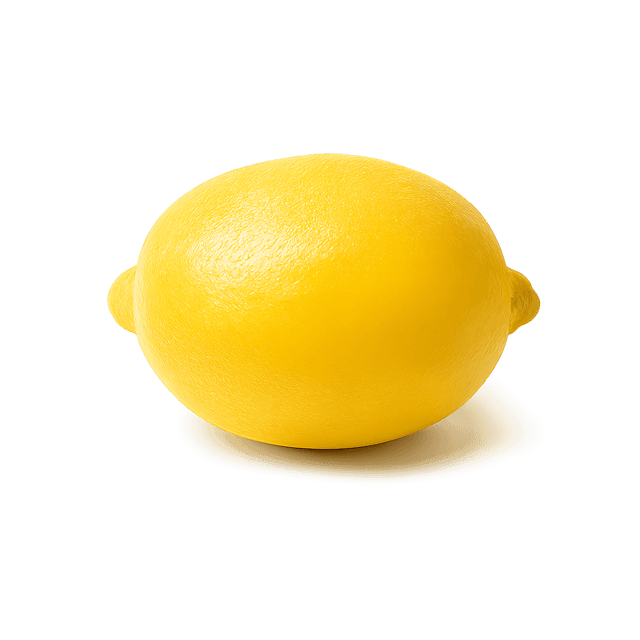
Your baby is the size of a lemon
2.6 in • 2.6 oz
Baby Development
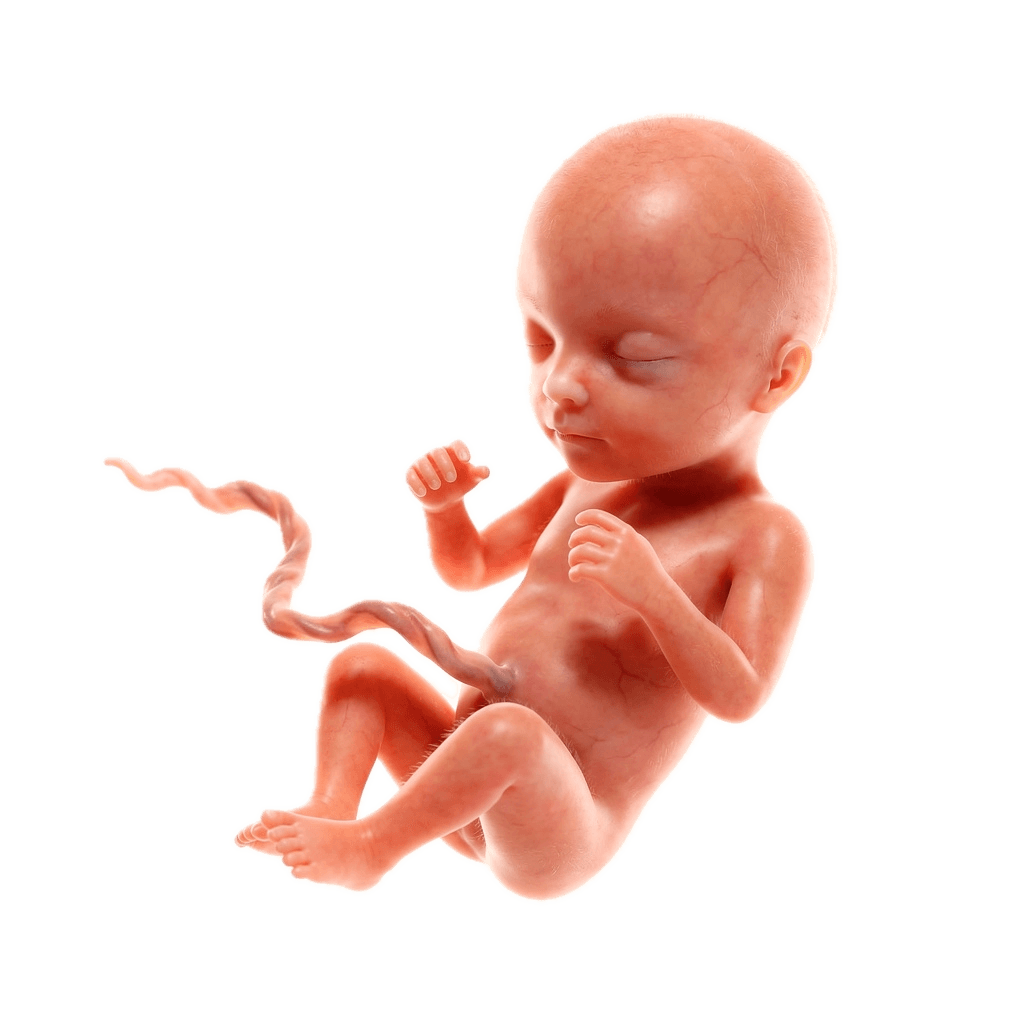
Your baby's intestines have fully settled into their abdominal home. The placenta is now a fully developed, powerful organ, providing all the necessary oxygen and nutrients. In a remarkable display of individuality, unique fingerprints have formed on your baby's tiny fingertips.
If you are having a girl, her ovaries already contain more than 2 million eggs. The baby is practicing breathing movements by moving amniotic fluid in and out of the lungs, preparing the respiratory muscles for life outside the womb. The head is now more proportional to the body, measuring about one-third of the total size.
Your Body This Week
Congratulations, you've reached the end of the first trimester! For many, this brings a welcome end to the most severe pregnancy symptoms like morning sickness and extreme fatigue. Your belly may be starting to show a distinct, rounded shape as your uterus expands up and out of the pelvis.
You might notice a dark, vertical line appearing on your abdomen, known as the **linea nigra**. This is a common and harmless skin change caused by pregnancy hormones that stimulate pigment-producing cells. It will typically fade in the months after you give birth. You are now entering the second trimester, often called the "honeymoon phase" of pregnancy.
Milestones This Week
First trimester ultrasound
Between weeks 11 and 13, an important ultrasound is done to evaluate baby's development. Talk to your doctor about available screenings.
End of the first trimester!
Congratulations! You've completed the first trimester. Baby's fingerprints are already forming.
Learn More
As you enter week 13 of your pregnancy, you may notice various changes brought on by hormonal and physiological adaptations that are essential for your baby's development. It's common to experience breast tenderness, a result of increased estrogen and progesterone, which stimulate mammary glands to prepare for lactation. Metabolically, your body is in full swing, yet significant caloric increases aren't necessary just yet; instead, the focus should be on consuming nutrient-dense foods. Incorporate a variety of fruits, vegetables, whole grains, and lean proteins into your diet to provide vital vitamins and minerals. If nausea is affecting your appetite, try eating small, frequent meals every couple of hours to maintain steady blood sugar levels and keep your stomach settled. Some women find relief from nausea using ginger-based foods or drinks, such as ginger tea or chews. Additionally, staying well-hydrated is essential, as it supports increased blood volume and can ease common issues like constipation. Don't forget that a daily prenatal vitamin fortified with folic acid is crucial for your baby's neural development. Moderate exercise, such as brisk walking, swimming, or prenatal yoga, can also be beneficial, helping maintain your energy levels and improving mood. Always listen to your body and consult with your healthcare provider if you have any concerns.
Frequently Asked Questions
What to expect at 13 weeks pregnant?
At 13 weeks pregnant, your baby is about the size of a lemon. Your baby's intestines have fully settled into their abdominal home. Congratulations, you've reached the end of the first trimester.
How big is my baby at 13 weeks pregnant?
At week 13 of pregnancy, your baby is about the size of a lemon, measuring approximately 2.6 in and weighing around 2.6 oz.
What trimester is week 13 of pregnancy?
Week 13 is in the first trimester of pregnancy. The first trimester covers weeks 1-13, the second trimester covers weeks 14-26, and the third trimester covers weeks 27-40.
What is happening with my baby at week 13?
Your baby's intestines have fully settled into their abdominal home.
What symptoms can I expect at week 13 of pregnancy?
Congratulations, you've reached the end of the first trimester.
14-day free trial
Week 13 is even better in the app
Daily content for week 13, the checklist, and your baby’s letter.