
6 Weeks Pregnant
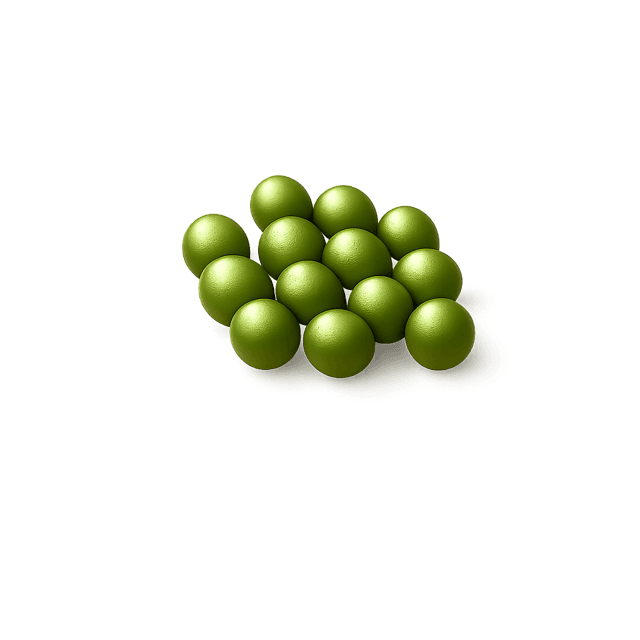
Your baby is the size of a pea
0.2 in
Baby Development
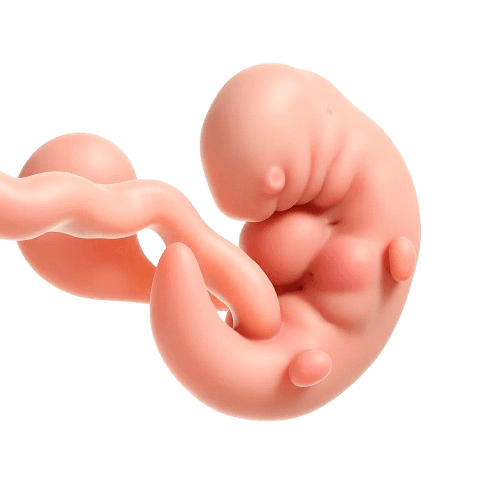
Growth is accelerating. The neural tube along the baby's back has now closed, a critical step in the development of the central nervous system. The heart is becoming more complex and is now pumping blood. Small buds that will become arms and legs are visible, and the body is starting to curve into a C-shape.
Facial features are beginning to take shape with the formation of structures that will become the eyes, ears, and mouth. The embryo is still tiny, but on a vaginal ultrasound, the rhythmic pulse of the developing heart can often be detected for the first time, a powerful and reassuring milestone.
Your Body This Week
Your pregnancy symptoms are likely intensifying. Morning sickness may be at its peak, and you might find yourself with a heightened sense of smell, making certain foods or scents unbearable. This is thought to be a protective mechanism to steer you away from potentially harmful substances.
Mood swings are also very common, as the flood of hormones can feel like a rollercoaster of emotions. You might feel excited one moment and anxious or weepy the next. It's also normal to feel bloated and to need to urinate more frequently as your growing uterus puts pressure on your bladder.
Milestones This Week
Heartbeat visible on ultrasound
Baby's heartbeat can now be seen on ultrasound! Little arms and legs are starting to form.
First prenatal visit
Schedule your first prenatal visit between weeks 6-8. The doctor will confirm the pregnancy and order initial tests.
Learn More
Week 6 of pregnancy marks a pivotal time as your body's metabolism begins shifting to support both you and your developing baby. Although significant weight gain isn't anticipated during this period, you might notice breast tenderness and sensitivity as your mammary glands prepare for lactation—one of the earliest signs of pregnancy. Hormonal changes are ramping up, notably with increases in human chorionic gonadotropin (hCG) and estrogen, which can usher in nausea, commonly known as morning sickness. Eating small, frequent meals every 1-2 hours can help stabilize blood sugar levels and manage nausea, while ginger-containing foods and drinks may also provide relief. Though additional calories aren’t yet necessary, focusing on a nutrient-dense diet rich in fruits, vegetables, oats, lean proteins, and healthy fats is crucial for both you and your baby. Remember to stay hydrated, primarily with water, which can alleviate constipation and support overall health. If you’re feeling up to it, maintaining light to moderate physical activity, such as brisk walking or prenatal yoga, is beneficial. Above all, early and consistent prenatal care is essential for ensuring a healthy pregnancy, so schedule that initial appointment if you haven't already, regardless of how many symptoms you're experiencing.
Frequently Asked Questions
What to expect at 6 weeks pregnant?
At 6 weeks pregnant, your baby is about the size of a pea. Growth is accelerating. Your pregnancy symptoms are likely intensifying.
How big is my baby at 6 weeks pregnant?
At week 6 of pregnancy, your baby is about the size of a pea, measuring approximately 0.2 in.
What trimester is week 6 of pregnancy?
Week 6 is in the first trimester of pregnancy. The first trimester covers weeks 1-13, the second trimester covers weeks 14-26, and the third trimester covers weeks 27-40.
What is happening with my baby at week 6?
Growth is accelerating.
What symptoms can I expect at week 6 of pregnancy?
Your pregnancy symptoms are likely intensifying.
14-day free trial
Week 6 is even better in the app
Daily content for week 6, the checklist, and your baby’s letter.