First Trimester Exercise: Safety Tips You Can Trust
An evidence-based guide to first trimester exercise safety: benefits, safe workouts, intensity, heat tips, red flags, and weekly plans you can trust.
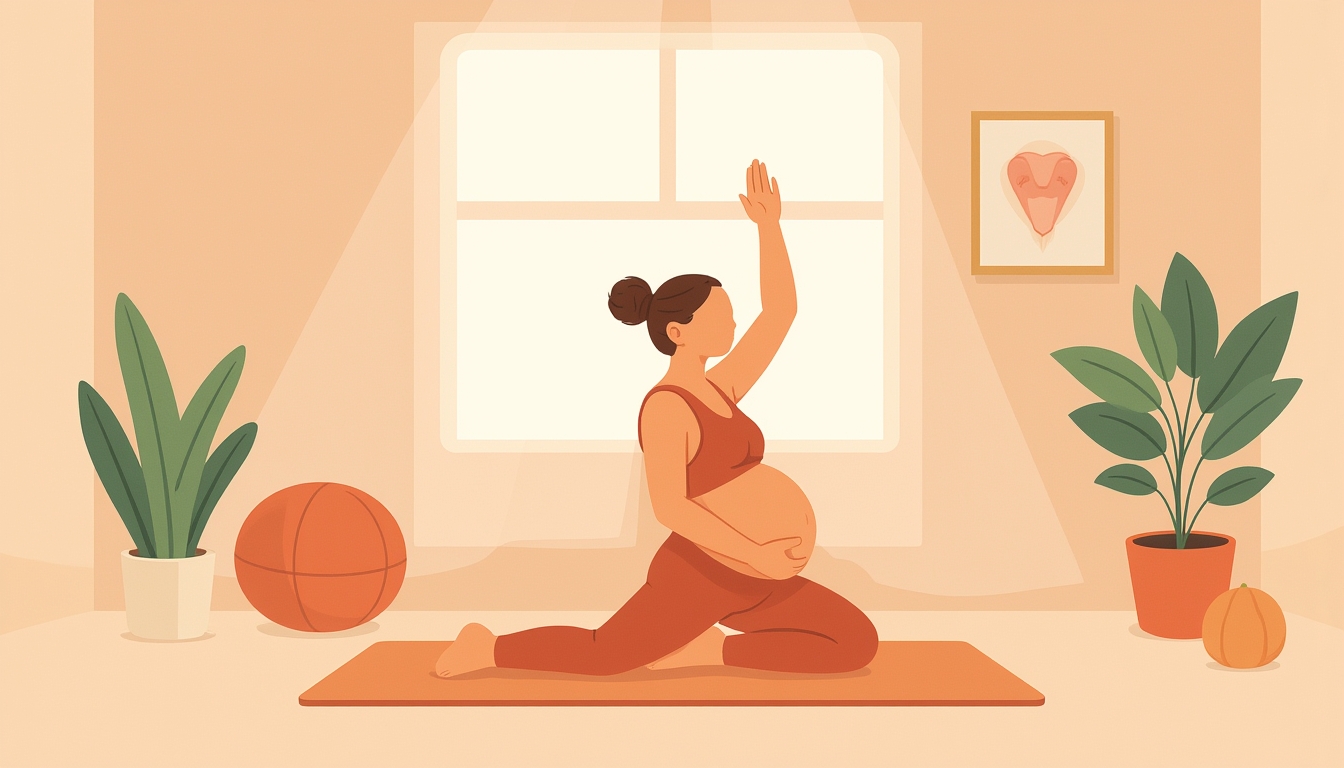
First Trimester Exercise: Safety Tips You Can Trust
Feeling nauseous, tired, and a little unsure about how to move safely right now? You’re not alone. The first trimester can be a roller coaster, and it’s normal to wonder how exercise fits in. The good news: with a few smart tweaks, moving your body is not only safe for most people—it’s one of the best things you can do for your health and your baby’s.
Key takeaway: In healthy, uncomplicated pregnancies, regular movement in the first trimester is safe and encouraged. Any activity is better than none.
This guide brings you evidence-backed, clinician-approved prenatal workout tips you can trust, including the ACOG exercise guidelines, safe pregnancy workouts, heat safety, and simple weekly plans.
1) Is first trimester exercise safe? What experts say
Leading organizations agree: most pregnant people can safely be active in early pregnancy.
- The American College of Obstetricians and Gynecologists recommends at least 150 minutes per week of moderate-intensity activity and notes that exercise does not increase the risk of miscarriage, low birth weight, or preterm birth in uncomplicated pregnancies (ACOG).
- The Centers for Disease Control and Prevention echoes the 150 minutes/week target and emphasizes that any amount of movement is beneficial—start small and build up (CDC).
- The National Institutes of Health highlights research showing that increasing activity in early pregnancy is linked to a lower risk of gestational diabetes (NIH/NHLBI).
- Major clinics, including the Mayo Clinic, Cleveland Clinic, Johns Hopkins Medicine, Stanford Medicine, and Harvard T.H. Chan School of Public Health, support regular prenatal activity and reinforce practical safety tips like avoiding overheating and listening to your body (Mayo Clinic Health System, Cleveland Clinic, Johns Hopkins Medicine, Stanford Medicine, Harvard T.H. Chan School of Public Health).
Key takeaway: Aim for 150 minutes/week of moderate activity, spread across several days. If you’re new to exercise during pregnancy first trimester, begin with 5–10 minutes and build up.
2) Benefits for you and baby in early pregnancy
Staying active in the first trimester offers whole-body benefits that add up over the months ahead.
- Lower risk of gestational diabetes and preeclampsia (ACOG; NIH/NHLBI)
- Healthier weight gain and improved metabolic health (CDC)
- Better mood, reduced stress and anxiety, and improved sleep (Harvard T.H. Chan; Mayo Clinic Health System)
- Less back pain, constipation, and swelling; more energy (Johns Hopkins Medicine)
- Prepared body for labor (stamina, strength) and smoother postpartum recovery (ACOG)
- For baby: exercise is not linked to low birth weight and may help support healthy birth weight (ACOG)
Small, consistent movement now supports healthier outcomes later.
3) How your body changes in trimester 1 (and why it matters)
Understanding what’s happening inside helps you choose safe pregnancy workouts and avoid injury.
Hormones: progesterone and relaxin
- Progesterone can drive fatigue and nausea, so shorter, more frequent sessions may feel better.
- Relaxin loosens ligaments to prep for birth, which can increase joint laxity. Prioritize controlled movements and good alignment to reduce sprain risk.
Heart, blood volume, and breathing
- Blood volume and resting heart rate begin to rise early. You may feel winded faster—use the talk test to stay at a safe intensity (you can speak in full sentences).
Thermoregulation
- Basal temperature is slightly elevated in pregnancy, making heat management more important. Avoid hot, humid workouts, hydrate well, and dress in breathable layers (Cleveland Clinic).
Balance and coordination
- Subtle shifts in posture and center of gravity can begin now. Choose stable, low-fall-risk activities.
Metabolism and blood sugar
- Glucose handling changes to support baby’s needs. Regular movement helps stabilize energy and reduce the risk of gestational diabetes (NIH/NHLBI). Keep snacks handy if you feel lightheaded.
4) How hard should you work? Intensity made simple
You don’t need rigid heart-rate targets in pregnancy. Instead, try these practical gauges:
- Talk test: Moderate intensity lets you talk but not sing.
- RPE (Rate of Perceived Exertion): Aim for about 4–6 on a 0–10 scale (somewhat hard but sustainable). Harvard researchers encourage perceived-exertion monitoring over fixed heart-rate caps in pregnancy (Harvard T.H. Chan).
- Total: ~150 minutes/week of moderate-intensity aerobic activity (ACOG)
- Break it up: 10–30 minutes per session, most days
- Just starting? Begin with 5–10 minutes, 3–5 days/week. Add 2–5 minutes per session each week as tolerated.
Progress gradually. If you can’t carry a conversation, ease up. If symptoms flare (dizziness, cramps), pause and check in with your clinician.
5) Safe workouts to try now
These clinician-approved, low-impact options fit most bodies in the first trimester. Mix and match for your schedule and preferences.
Walking
- Frequency: 3–6 days/week
- Duration: 10–40 minutes
- Tips: Choose flat routes; swing arms naturally; keep posture tall.
Swimming or water aerobics
- Frequency: 2–3 days/week
- Duration: 20–45 minutes
- Why it’s great: Buoyancy reduces joint stress; water helps keep you cool (Mayo Clinic Health System).
Stationary cycling or elliptical
- Frequency: 2–4 days/week
- Duration: 15–40 minutes
- Tip: Adjust seat/handles for neutral spine; avoid excessive resistance.
Prenatal yoga or Pilates (not hot)
- Frequency: 1–3 days/week
- Focus: Breath work, gentle mobility, hip and back strength, pelvic floor awareness
- Avoid: Hot studios; deep, end-range stretching if joints feel lax (Johns Hopkins Medicine).
Strength training with light–moderate loads
- Frequency: 2 nonconsecutive days/week
- Sets/reps: 1–3 sets of 8–12 reps; leave 2–3 reps in reserve
- Tips: Exhale on exertion (avoid breath-holding/Valsalva); use slow, controlled tempo.
- Bodyweight sit-to-stand or goblet squat (light weight)
- Incline push-up (hands on bench or wall)
- Hip hinge/deadlift with light dumbbells or kettlebell
- Standing cable/band row
- Side-lying clamshells or banded lateral steps
- Tall-kneeling or standing anti-rotation press (Pallof press)
Core and pelvic floor work
- Focus on gentle core stability, not max-intensity ab moves.
- Try: Diaphragmatic breathing, pelvic tilts, bird-dog, heel slides, side planks (short holds), and pelvic floor contractions/relaxations.
- Note: Supine exercises become less ideal after weeks 12–14; start practicing side-lying or inclined alternatives now (ACOG).
Choose movements that feel steady, supported, and energizing. Skip anything that provokes pain, dizziness, or unusual pressure.
6) Warm-up, cool-down, hydration, and fueling
5–10 minute dynamic warm-up
- Breath and posture reset: 1–2 minutes of diaphragmatic breathing
- Gentle mobility: neck rolls, shoulder circles, cat–cow, thoracic rotations
- Light activation: glute bridges, band pull-aparts, heel raises
- Easy cardio primer: 2–3 minutes of marching in place or light walking
5–10 minute cool-down
- Slow walk (2–3 minutes) to gradually lower heart rate
- Stretches: calves, hips, chest, upper back (30–45 seconds each)
- Box breathing (inhale 4, hold 4, exhale 4, hold 4) for nervous system calm
Hydration targets
- Daily: Aim for at least 8–12 cups (64–96 oz) fluids from beverages/foods; increase if active or in heat.
- Around workouts: ~8–16 oz in the hour before; 4–8 oz every 15–20 minutes during; 8–16 oz after. Consider electrolytes if you’re a heavy sweater or it’s hot (Cleveland Clinic).
Fueling and nausea-friendly snacks
- Light pre-workout bite 30–60 minutes before: banana, toast with nut butter, yogurt, crackers with cheese, or a smoothie.
- If morning sickness is intense, try shorter sessions after the time of day you feel best.
Clothing, shoes, and support
- Choose breathable, moisture-wicking layers; avoid overheating.
- Wear supportive footwear with good traction.
- A high-support, comfortable bra can reduce breast tenderness.
7) What to skip in the first trimester (and beyond)
To reduce risk of trauma, falls, overheating, or decreased blood flow, avoid:
- Contact sports (e.g., soccer, hockey, basketball)
- Activities with high fall risk (e.g., downhill skiing, mountain biking on technical terrain, gymnastics, horseback riding)
- Scuba diving (risk of decompression issues for the fetus)
- Unacclimatized high-altitude exercise
- Hot yoga/Hot Pilates (heat stress)
- Maximal lifting with breath-holding (Valsalva)
- After weeks 12–14: prolonged supine exercises; use side-lying or incline options instead (ACOG; Johns Hopkins Medicine).
8) Heat safety: prevent overheating
Why it matters: During early pregnancy, your core temperature regulation changes. Overheating can increase discomfort and may pose risks, so it’s essential to manage heat proactively (ACOG; Cleveland Clinic).
Practical strategies for overheating pregnancy exercise safety:
- Time it right: Exercise in cooler morning/evening hours.
- Pick your spot: Choose shade, climate-controlled indoor spaces, or water workouts.
- Dress smart: Breathable, light-colored layers; remove layers as you warm up.
- Use airflow: Fans or open windows; indoor treadmill/elliptical on hot days.
- Hydrate and replace electrolytes when sweating.
- Scale intensity: Use the talk test; take more breaks when it’s hot.
- Dizziness or lightheadedness, headache, nausea, or confusion
- Excessive or sudden lack of sweating, chills, or hot, flushed skin
- Rapid heartbeat that doesn’t settle with rest
If you feel overheated, stop, hydrate, move to a cooler place, and call your clinician if symptoms don’t quickly improve.
9) Red flags: when to stop and call your clinician
Seek prompt medical advice if you notice:
- Vaginal bleeding or fluid leakage
- Chest pain or severe shortness of breath (especially at rest)
- Dizziness, fainting, or persistent headache
- Painful contractions, severe or persistent cramping
- Calf pain or swelling (possible clot)
- Marked decrease in fetal symptoms later in pregnancy
10) Step-by-step plan to start or adapt your routine
1. Talk to your clinician: Confirm there are no contraindications and discuss your goals.
2. Set realistic targets: Aim for 150 minutes/week, but start where you are.
3. Schedule it: Put 10–30 minute sessions on your calendar, most days.
4. Start slow; progress gradually: Add 2–5 minutes per session each week as tolerated.
5. Mix it up: Alternate cardio (walking, swimming, cycling) with two light–moderate strength days.
6. Build in rest: Leave at least one full rest day weekly; sprinkle easy days after harder ones.
7. Pair movement with habits: Walk after lunch, stretch during TV time, breathe between meetings.
8. Track symptoms: Note energy, nausea, soreness, and what helps.
9. Modify for fatigue/nausea: Shorten sessions, lower intensity, or switch modalities.
10. Celebrate wins: Every active minute counts—consistency beats perfection.
11) Sample weekly plans (beginner to active)
These templates meet the 150-minutes/week goal and include two strength days. Adjust duration and intensity using the talk test.
Starter plan (new or returning to exercise)
- Mon: 10–15 min easy walk + 5 min gentle mobility
- Tue: 15–20 min stationary bike (easy–moderate) + 10 min core/pelvic floor
- Wed: Strength (20–25 min): sit-to-stands, incline push-ups, band rows, glute bridges, clamshells (1–2 sets of 8–12)
- Thu: 15–20 min prenatal yoga (not hot)
- Fri: 15–20 min brisk walk (moderate) + 5 min stretches
- Sat: Strength (20–25 min): goblet squats (light), RDLs (light), side planks (short holds), lateral band steps, Pallof press (1–2 sets)
- Sun: Rest or 10–15 min easy walk
Active plan (already exercising regularly)
- Mon: 30–35 min brisk walk or elliptical (moderate)
- Tue: Strength (30–35 min): squats, incline push-ups, hip hinge, rows, step-ups, farmer carry (2–3 sets of 8–12; exhale on effort)
- Wed: 25–30 min swim or water aerobics
- Thu: 20–30 min prenatal yoga/Pilates (not hot) + 10 min core stability
- Fri: 30–35 min stationary bike (moderate) with 3–5 short efforts (60 sec) separated by easy pedaling
- Sat: Strength (30–35 min): deadlift pattern (light–moderate), overhead press (light), split squats, band pull-aparts, side planks (2–3 sets)
- Sun: Rest or 20 min easy walk and stretches
12) Partner support: how loved ones can help
- Join walks or swims to boost motivation and safety.
- Handle logistics: fill water bottles, pack snacks, queue a playlist.
- Plan cooler-time workouts and offer rides to indoor options on hot days.
- Share chores and caregiving to create time and space for recovery.
- Encourage rest days—and watch for warning signs during workouts.
- Celebrate consistency over intensity.
Final thoughts
You don’t have to “push through” to reap the benefits. With first trimester exercise safety basics—moderate intensity, heat awareness, hydration, and smart movement—you can feel better now and set the stage for a healthy pregnancy. If you’re unsure where to start, bring this guide to your next visit and ask your clinician to tailor it to you.
Ready to move? Pick one 10–15 minute activity from this page and put it on your calendar today. Small steps add up.
For more details, see the ACOG exercise guidelines and practical tips from the CDC, NIH, and leading clinics: ACOG, CDC, NIH/NHLBI, Mayo Clinic Health System, Cleveland Clinic, Johns Hopkins Medicine, Harvard T.H. Chan School of Public Health, Stanford Medicine.