Prevent Pregnancy Dizziness: Second Trimester Tips
Second-trimester dizziness is common. Learn evidence-based ways to prevent lightheadedness in pregnancy with simple, safe, and practical tips.
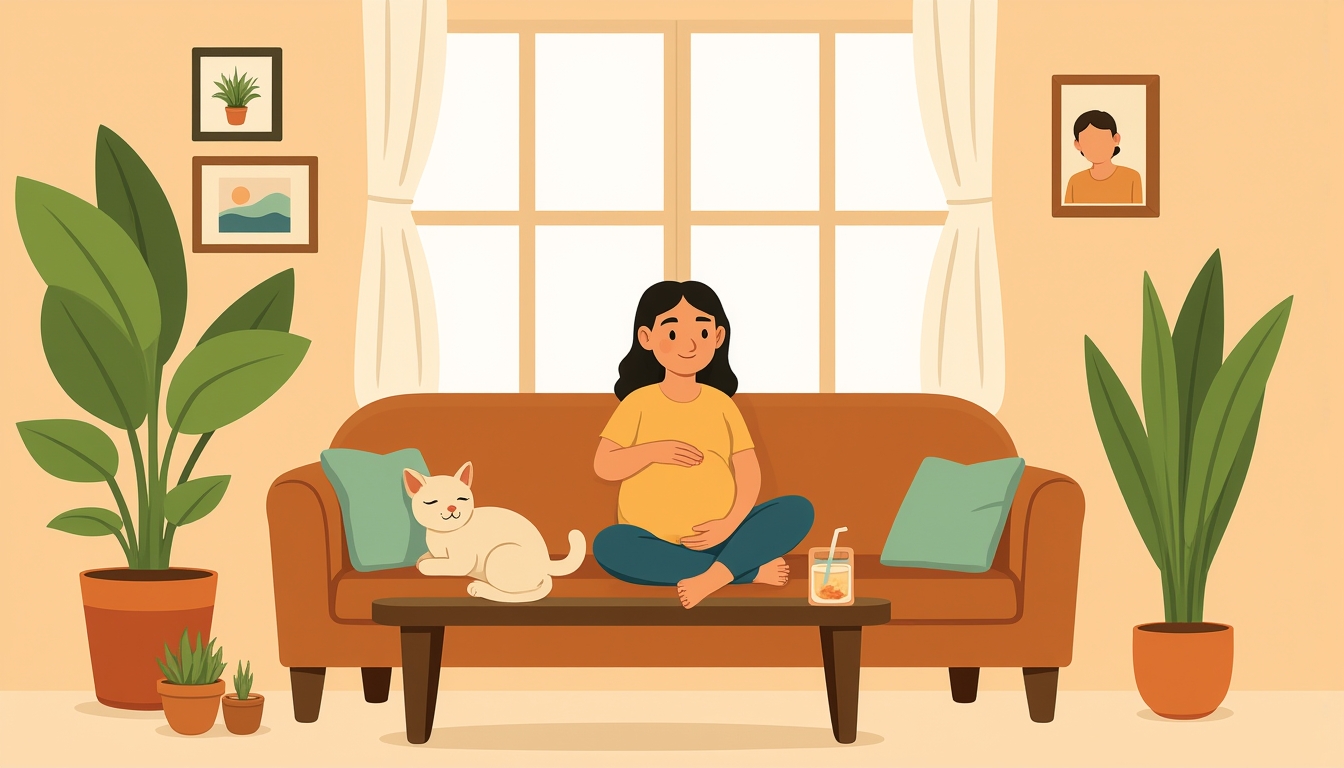
Feeling lightheaded in the middle of your pregnancy can be unsettling. The good news: with a few targeted habits, you can prevent pregnancy dizziness, reduce faint spells, and feel steadier day to day. Below, you’ll find evidence-based guidance tailored to second-trimester dizziness—plus clear safety steps and red flags that mean it’s time to call your healthcare provider.
Key takeaway: Second-trimester dizziness is often due to normal circulatory and hormonal changes. Simple steps—hydration, slow position changes, balanced snacks, and side-lying rest—can make a big difference.
1) Understanding second-trimester dizziness: why it happens
Dizziness during pregnancy—especially in the second trimester—is common and usually related to normal physiologic changes that support your growing baby. Here’s what’s going on:
- Lower blood pressure from vascular changes: Progesterone relaxes blood vessel walls, reducing systemic vascular resistance. This can lower blood pressure and cause lightheadedness when you stand up quickly (orthostatic hypotension) (Mayo Clinic; ACOG).
- Increased blood volume and cardiac output: Blood volume expands significantly in mid-pregnancy. While adaptive and healthy, your circulatory system is still “catching up,” which can make you feel woozy during transitions (ACOG Practice Bulletin No. 212).
- Vena cava compression when lying flat: As the uterus grows, lying supine can compress the inferior vena cava, reducing blood return to the heart and brain and causing dizziness or nausea (ACOG; Mayo Clinic).
- Physiologic (hemodilutional) anemia: Plasma volume rises more than red blood cell mass, which can lower hemoglobin concentration even when total red cells increase. Mild “physiologic anemia” is normal, but true iron-deficiency anemia can worsen dizziness and fatigue (ACOG).
- Blood sugar fluctuations: Longer gaps between meals, nausea, or high-carb foods without protein can lead to dips in glucose, triggering lightheadedness in pregnancy (Mayo Clinic; American Pregnancy Association).
- Heat and dehydration: Warm environments, hot showers, or not drinking enough can lead to vasodilation and lower blood pressure (Mayo Clinic).
- Typical: Brief lightheadedness that resolves with rest, fluids, a snack, or changing position.
- Concerning: Fainting, severe or persistent dizziness, chest pain, palpitations, shortness of breath, severe headache, vision changes, vaginal bleeding, painful contractions, decreased fetal movement, or injury from a fall. These require prompt medical advice (Mayo Clinic; ACOG).
2) Quick actions when you feel dizzy (safety first)
If a dizzy spell hits, act right away—your goal is to keep blood flowing to your brain and prevent a fall.
- Sit or lie down immediately. If sitting, place your head between your knees. If lying, elevate your legs.
- Shift to a side-lying position (preferably left) to relieve vena cava compression.
- Loosen tight clothing (especially anything constricting your waist or chest).
- Sip water or an electrolyte drink. If you suspect low blood sugar, have a quick carb (e.g., fruit, juice) followed by protein (e.g., yogurt, nuts).
- Cool down—move to shade, use a fan, remove a layer, or apply a cool cloth.
- Avoid driving, stairs, or standing back up until the episode fully passes.
If you faint or injure yourself, or if symptoms don’t improve quickly, call your healthcare provider or seek urgent care.
3) Hydration habits that reduce pregnancy dizziness
Stable blood volume supports steady blood pressure and can help prevent pregnancy dizziness.
- Aim for about 8–12 cups (64–96 oz, 2–3 L) of fluids daily, or enough that your urine is pale yellow. Needs vary with activity, weather, and body size (Mayo Clinic).
- Carry a refillable bottle and sip regularly—don’t wait for thirst.
- Add electrolytes when appropriate: If you’re sweating, vomiting, or in hot weather, an oral rehydration solution can help. If you have hypertension or preeclampsia risk, ask your provider before increasing sodium.
- Spot dehydration signs: Dark urine, dry mouth, headache, fatigue, or faster heart rate.
- Mind caffeine: Keep total intake under 200 mg per day (about one 12-oz cup of coffee). Higher amounts can act as a diuretic, worsen palpitations, or affect sleep (ACOG).
4) Move mindfully: standing up, posture, and circulation
Orthostatic hypotension in pregnancy often shows up when you stand quickly. Support your circulation with these habits:
- Rise slowly: Roll to your side first, sit at the edge of the bed for 1–2 minutes, then stand.
- Pause before walking: Once standing, plant your feet, take a few slow breaths, and check in with your body.
- Boost venous return: Do ankle pumps, gentle marching in place, or calf raises before standing still for long periods.
- Shift weight often if you must stand: Rock from heel to toe, or pace a few steps every minute.
- Avoid long periods of stillness: Set a reminder to change posture, stretch, or take a short walk every hour.
- Wear loose, breathable clothing and supportive footwear to minimize constriction and improve comfort.
Tip: Consider maternity-compression socks to support circulation—ask your provider what level (e.g., 15–20 mmHg) is right for you.
5) Eat to steady blood sugar: small, balanced meals and snacks
Hypoglycemia is a frequent trigger for lightheadedness in pregnancy, especially if nausea or busy days delay meals.
- Eat every 2–3 hours. Smaller, regular meals can keep glucose stable and prevent dips.
- Pair carbs with protein, fiber, and healthy fats: This slows glucose release and helps you feel steady longer.
- Keep a bedside snack for overnight or early-morning spells (crackers + nut butter, or a banana + yogurt).
- Snack ideas to have on hand:
- If you have diabetes or are at risk, follow your personalized meal plan and glucose targets; reach out to your clinician if dizziness persists.
6) Stay cool: heat management and safer showers
Heat dilates blood vessels and can lower blood pressure, increasing dizziness during pregnancy.
- Keep showers warm, not hot. Avoid hot tubs/saunas during pregnancy.
- Dress in layers of breathable fabrics (cotton, linen, moisture-wicking blends).
- Take breaks in hot weather; seek shade or air conditioning when needed.
- Use fans or cooling cloths on your neck and wrists.
- Hydrate more in heat or after exercise.
7) Sleep and rest positions that improve circulation
From mid-pregnancy onward, supine (flat-on-back) rest can compress the inferior vena cava, reducing blood flow and causing dizziness or nausea.
- Rest on your side—left is often recommended—to optimize blood flow.
- Use pillows to support your bump, between your knees, and behind your back to prevent rolling.
- A 15–30° tilt from supine (with a wedge or pillow) also reduces vena cava compression if full side-lying isn’t comfortable.
- If you wake up on your back, don’t worry—simply roll to your side and re-position.
8) Iron and anemia: when to test and how to boost levels
It’s normal for hemoglobin to dip in mid-pregnancy (physiologic anemia). But iron-deficiency anemia is different and can worsen dizziness, fatigue, and shortness of breath.
- When to test: Most clinicians screen early in pregnancy and again in mid-to-late second trimester. Ask about your numbers if you’re often dizzy, very fatigued, or short of breath.
- Food first: Include iron-rich options daily—lean red meats, poultry, fish; beans, lentils, tofu; spinach, kale; iron-fortified cereals.
- Enhance absorption: Pair iron with vitamin C (citrus, bell peppers, strawberries). Avoid taking iron with calcium supplements, coffee, or tea.
- Supplements: If your labs show iron deficiency, your clinician may recommend an iron supplement and dosing schedule you can tolerate (since GI side effects are common). Never start high-dose iron without medical advice.
9) Exercise, work, and travel: practical second-trimester tips
Movement supports circulation and energy, but tailor it to how you feel and the guidance of your healthcare provider.
- Safe prenatal activity: Walking, swimming, stationary cycling, and prenatal yoga or Pilates are typically safe for uncomplicated pregnancies.
- Warm up and cool down: Transition gradually to limit orthostatic hypotension pregnancy symptoms.
- Hydrate and fuel: Sip water throughout, and have a snack before/after longer sessions.
- Stop if dizzy: Sit or lie on your left side until symptoms pass. Resume only when fully recovered.
- Standing jobs: Take micro-breaks every 30–60 minutes to sit or walk; use a footrest; do calf pumps. Ensure supportive footwear and avoid restrictive clothing.
- Desk posture: Keep both feet supported, switch positions often, and stand to stretch hourly.
- Commute strategies: Sit near an aisle, keep water and a snack handy, and avoid overheating.
- Travel tips: On long car rides or flights, walk and stretch your legs regularly, hydrate, and consider compression socks if your provider agrees.
10) When to call your healthcare provider
Contact your clinician promptly if you have:
- Fainting or near-fainting spells
- Chest pain, palpitations, or a racing heartbeat
- Severe, persistent, or worsening dizziness
- Shortness of breath out of proportion to activity
- Severe headache or vision changes
- Vaginal bleeding, fluid leakage, or painful contractions
- Noticeably decreased fetal movement after 24 weeks
- Injury from a fall, especially with abdominal pain
- Known anemia not improving, or you can’t tolerate prescribed iron
Cited sources: Mayo Clinic, ACOG
11) For partners: simple ways to help prevent dizziness
Your calm presence and a few routines can make a real difference.
- Keep a water bottle filled and within reach; prep small, balanced snacks.
- Offer an arm when standing up or navigating stairs; remind slow position changes.
- Make bathrooms safer: add non-slip mats, a shower chair, and a nearby stool.
- Join short walks; carry a light bag so your partner isn’t overheated or overloaded.
- Watch for warning signs (paleness, clammy skin, “tunnel vision”); encourage sitting/lying down early.
- Provide reassurance—dizziness is common and usually manageable with these steps.
12) FAQs about pregnancy dizziness
Is pregnancy dizziness harmful to the baby?
Brief, occasional dizziness that resolves with rest is usually not harmful. The main concern is the risk of falls. Persistent or severe dizziness, especially with other symptoms, should be evaluated (Mayo Clinic).
How long does it last?
Many people notice second trimester dizziness improves with hydration, nutrition, and slow position changes. Some may continue to have episodes later in pregnancy due to vena cava compression—side-lying rest often helps (ACOG; Mayo Clinic).
Can I drive if I’ve been dizzy?
Avoid driving during or soon after a dizzy spell. If spells are frequent or unpredictable, postpone driving and speak with your clinician about evaluation and prevention strategies.
Do compression socks help?
They may support venous return and reduce leg pooling, which can ease lightheadedness for some. Ask your provider about the right compression level and fit during pregnancy.
What if I have POTS, heart disease, or diabetes?
- POTS: Extra fluids, adequate salt (if appropriate), compression garments, and tailored exercise may help; coordinate care with cardiology/OB. Evidence is evolving, so an individualized plan is key (Morgan 2022 review).
- Heart disease: You’re higher-risk—follow a specialist-led plan and seek care promptly for worrisome symptoms (ACOG PB 212).
- Diabetes: Prevent hypoglycemia with regular meals/snacks and monitor per your care plan; report recurrent dizziness.
Bottom line: With mindful movement, steady hydration and meals, cooler temps, and left-side rest, most people can prevent pregnancy dizziness and feel more in control.
Sources
- American College of Obstetricians and Gynecologists (ACOG). Practice Bulletin No. 212: Pregnancy and Heart Disease. https://tjodistanbul.org/uploads/pregnancy-and-heart-disease-number-212.pdf
- Mayo Clinic. 2nd trimester pregnancy: What to expect. https://www.mayoclinic.org/healthy-lifestyle/pregnancy-week-by-week/in-depth/pregnancy/art-20047732
- American Pregnancy Association. Dizziness During Pregnancy. https://americanpregnancy.org/healthy-pregnancy/pregnancy-health-wellness/dizziness-during-pregnancy/
- ACOG. Nutrition During Pregnancy (includes caffeine guidance). https://www.acog.org/womens-health/faqs/nutrition-during-pregnancy
- Morgan K. POTS and Pregnancy: A Review of Literature. 2022. https://pmc.ncbi.nlm.nih.gov/articles/PMC9795856/
Conclusion: You can feel steadier in the second trimester
Second-trimester dizziness is common—and manageable. By hydrating well, rising slowly, eating small balanced meals, staying cool, resting on your side, and addressing anemia if present, you can prevent pregnancy dizziness and reduce the risk of fainting. If symptoms are severe, persistent, or paired with red flags, call your healthcare provider.
Ready to put this into action? Choose one or two tips to start today—like carrying a water bottle and adding a mid-morning protein snack—and build from there. If you’d like a personalized plan, reach out to your clinician for guidance.