Sciatica in the Second Trimester: Causes Explained
Sciatica in the second trimester can be painful but manageable. Learn common causes, red flags, and pregnancy-safe ways to feel better with expert-backed advice.
Sciatica in the Second Trimester: Causes Explained
Feeling a sharp, zinging pain that shoots from your lower back or buttock down the back of one leg? If you are in your second trimester, you might be dealing with sciatica. The good news: while sciatic nerve pain can be miserable, it is usually temporary and not harmful to your baby. Understanding why it happens in mid-pregnancy can help you find relief and prevent flare-ups.
Key takeaway: Sciatica in the second trimester is common and usually manageable with simple, pregnancy-safe strategies.
1. Sciatica in the second trimester: what it is
Sciatica is nerve pain along the sciatic nerve, the body’s longest nerve. It originates from nerve roots in the lower spine (L4 to S3), travels through the buttocks, and runs down the back of each leg. When one of these nerve roots is irritated or compressed, you may feel:
- Radiating pain from the lower back or buttock down the thigh and calf
- Burning, electric, or shooting pain
- Tingling or numbness in the leg or foot
- Pain that worsens with sitting, bending, coughing, or sneezing
2. How common is sciatica in pregnancy — and why it matters
Pregnancy-related back pain is common, affecting up to half of pregnant people at some point, particularly in the second and third trimesters (ACOG). True nerve-root sciatica is less common than general back or pelvic pain, but sciatica-like symptoms are frequently reported in mid-pregnancy as the body adapts (Cleveland Clinic).
Why this matters: persistent pain can limit mobility, disturb sleep, and increase stress — all of which impact overall wellbeing during pregnancy (ACOG; Mayo Clinic). Addressing symptoms early can help you stay active, sleep better, and feel more in control.
3. Is it really sciatica? How it differs from other pregnancy pains
Not all second trimester back pain is sciatica. Knowing the differences can guide the right self-care or referral.
- Sciatica: Radiating pain, tingling, or numbness from the lower back or buttock down the back of the leg, sometimes into the foot. Often worse with sitting or bending; may feel improved when lying on the opposite side.
- Pelvic girdle pain (PGP): Pain focused at the back of the pelvis near the sacroiliac joints or at the front of the pubic bone. Pain may radiate into the buttocks or thighs but not typically past the knee. Activities like rolling in bed, standing on one leg, or climbing stairs can aggravate symptoms.
- Sacroiliac (SI) joint dysfunction: Achy or sharp pain low and to one side of the back/upper buttock, sometimes radiating into the posterior thigh. Often worsens by standing, walking, or weight shift.
- Round ligament pain: Sharp, brief, stabbing pains in the lower abdomen or groin with sudden movements or position changes, not typically radiating down the leg.
4. Key cause 1: hormonal changes, relaxin, and pelvic instability
One of the body’s most remarkable pregnancy adaptations is the surge of hormones like relaxin, progesterone, and estrogen. Relaxin helps soften ligaments and increase mobility in the pelvis to prepare for birth. For some people, this increased ligament laxity can reduce stability around the sacroiliac joints and lower spine. When joints move more than usual, surrounding muscles often tense to compensate, and this can irritate nearby nerve roots or alter mechanics in a way that contributes to sciatic nerve pain (ACOG; Cleveland Clinic).
This is why discussions about relaxin and back pain come up frequently in mid-pregnancy: the combination of looser ligaments and new movement patterns can create a setting where the sciatic nerve becomes irritated, especially when combined with other factors below.
5. Key cause 2: weight gain and shifting center of gravity
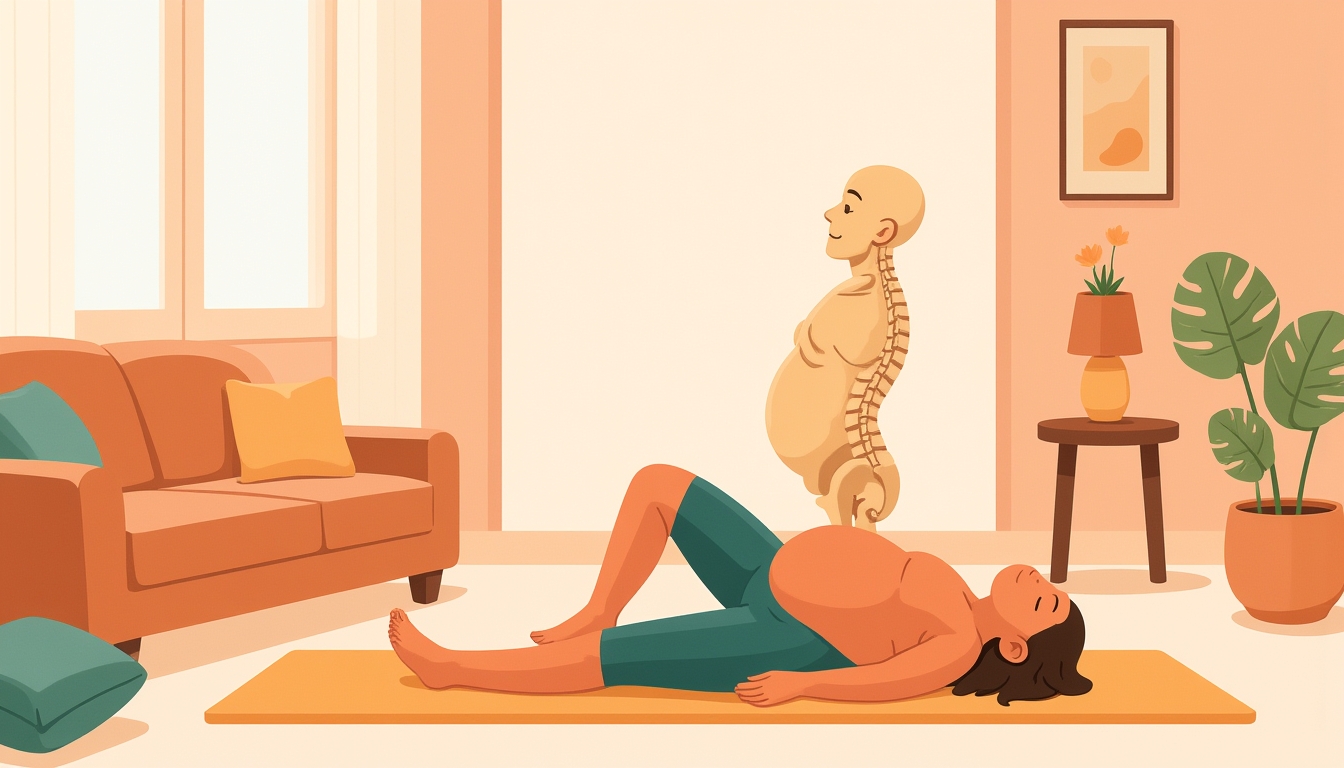
As the uterus grows in the second trimester, your center of gravity shifts forward. To stay upright, the lower back often develops an exaggerated inward curve called hyperlordosis. At the same time, abdominal muscles lengthen and may offer less support. These changes can increase load on the lumbar joints and discs. If a disc or facet joint irritates the nerve root, you can feel classic sciatic nerve pain in pregnancy. Postural fatigue, prolonged sitting, and repetitive bending can make symptoms flare (Mayo Clinic).
6. Key cause 3: uterine growth, fetal position, and direct nerve pressure
The enlarging uterus and shifting fetal positions can place pressure on pelvic structures. Sometimes, depending on how you are sitting, standing, or sleeping, the uterus can indirectly compress the sciatic nerve or the nerve roots that contribute to it. People often notice that symptoms change with position, activity, or even time of day. Simple position changes, rest, or side-lying with pillows can reduce this mechanical pressure (ACOG; Cleveland Clinic).
7. Key cause 4: piriformis syndrome in pregnancy
The piriformis is a deep muscle in the buttock that helps rotate the hip. If it becomes tight or irritated, it can press on the sciatic nerve as the nerve passes beneath or, in some individuals, through the muscle. This is known as piriformis syndrome. In pregnancy, postural changes, altered gait, and pelvic instability can overwork the piriformis, causing buttock pain that radiates down the leg. Symptoms often worsen with prolonged sitting, climbing stairs, or getting out of a car. Gentle hip stretches, activity breaks, and targeted physical therapy can help (Cleveland Clinic).
8. Key cause 5: pre-existing spine or pelvic conditions
For some, pregnancy unmasks or worsens an underlying issue:
- Herniated or bulging lumbar disc: Added load and postural change can irritate a previously quiet disc, pressing on a nerve root and causing sciatica-like pain.
- Spinal stenosis: Narrowing of the spinal canal may become more noticeable as fluids shift and weight increases.
- Spondylolisthesis: A vertebra that has slipped forward can irritate nerve roots under increased mechanical stress.
- SI joint dysfunction: If present before pregnancy, it may flare with ligament laxity and load changes.
9. Who is at higher risk in trimester two?
Risk factors for sciatica in the second trimester or second trimester back pain include:
- History of low back pain, pelvic girdle pain, or sciatica
- Higher BMI before or during pregnancy
- Multiple gestation
- Jobs that require prolonged sitting, standing, or heavy lifting
- Sedentary lifestyle or low core/hip strength
- Prior pelvic or spinal injury or surgery
- Hypermobility syndromes
10. Symptoms and red flags: when to call your provider
Typical sciatica symptoms include one-sided leg pain, tingling, or numbness that travels below the knee, often worse with sitting or bending and better with gentle movement or side-lying.
Call your prenatal care provider promptly if you notice any of the following red flags:
- Progressive leg weakness or foot drop
- Numbness in the groin or inner thighs (saddle numbness)
- Loss of bladder or bowel control
- Severe, unrelenting pain that does not improve with rest
- Pain accompanied by fever, chills, or unexplained weight loss
- Back pain with vaginal bleeding or abdominal cramping
11. Relief and prevention tips you can use now
Most cases of sciatic nerve pain in pregnancy improve with conservative care. Try a combination of these pregnancy-safe strategies:
Posture and body mechanics
- Keep your ribs stacked over your pelvis when standing; avoid leaning back to counterbalance your bump.
- Sit with both feet supported and a small pillow behind your lower back. Change positions frequently.
- When lifting, bend at hips and knees, keep the object close, and avoid twisting.
- Consider a maternity belly support band to reduce strain on the lower back and pelvis (ACOG; Mayo Clinic).
Sleep setups
- Sleep on your side with a pillow between your knees and one under the bump or behind your back to keep the pelvis aligned.
- If rolling in bed triggers pain, squeeze a pillow between your knees and roll as one unit to avoid twisting.
Gentle movement and exercise
- Short, frequent walks can reduce stiffness and improve circulation.
- Prenatal yoga or Pilates, led by a trained instructor, can build core and hip strength and ease piriformis tightness. Try movements like cat-cow, pelvic tilts, and gentle figure-4 stretches adjusted for pregnancy.
- Swimming or water walking provides buoyancy that unloads the spine while keeping you active (Mayo Clinic).
Targeted stretches for piriformis syndrome pregnancy
- Seated or side-lying figure-4 stretch (modified as needed) to relax the piriformis.
- Gentle hamstring stretches to relieve tension along the back of the leg.
- Hip flexor stretches to counter prolonged sitting.
Heat, cold, and massage
- Apply a warm pack or a brief cold pack to the painful area for 15 to 20 minutes to calm spasms and inflammation.
- Prenatal massage from a trained therapist can release gluteal and low-back tension (Cleveland Clinic).
Professional care
- Physical therapy: A prenatal-trained PT can assess your movement patterns, prescribe tailored exercises, and provide hands-on techniques to calm irritated tissues.
- Chiropractic care: Gentle, pregnancy-appropriate adjustments may improve pelvic alignment. Choose a clinician experienced in prenatal care.
- Acupuncture: Some people find it reduces pain and improves function. Seek a licensed practitioner familiar with pregnancy.
Medication cautions
- Acetaminophen may be used for short-term pain relief if approved by your provider. Avoid NSAIDs such as ibuprofen and naproxen, especially in the third trimester, unless specifically directed by your clinician (ACOG; Mayo Clinic).
- Always check with your prenatal care provider before taking any medication or supplement.
Key takeaway: Small, consistent changes — supportive posture, strategic rest positions, and gentle activity — often make the biggest difference for sciatica in the second trimester.
12. References you can trust
Reliable, up-to-date guidance can help you decide what to try at home and when to call in extra support. These resources are written for patients and align with current medical practice:
- American College of Obstetricians and Gynecologists: Back Pain During Pregnancy — practical tips and when to seek care. https://www.acog.org/womens-health/faqs/back-pain-during-pregnancy
- Mayo Clinic: Back pain during pregnancy — 7 tips for relief. https://www.mayoclinic.org/healthy-lifestyle/pregnancy-week-by-week/in-depth/pregnancy/art-20046080
- Cleveland Clinic: How to handle sciatica during your pregnancy. https://health.clevelandclinic.org/how-to-handle-sciatica-during-your-pregnancy
Conclusion: You are not alone, and relief is possible
Sciatica in the second trimester is common, and it has clear, understandable causes — hormonal shifts that loosen ligaments, postural changes due to growth and weight gain, occasional direct nerve pressure from the uterus or fetal position, muscular factors like piriformis tightness, and sometimes pre-existing spine or pelvic conditions. By recognizing your specific triggers and using pregnancy-safe strategies, you can reduce pain, sleep better, and move with more confidence.
If you are unsure whether what you are feeling is sciatica or something else, or if symptoms are escalating, check in with your provider. Personalized support — from physical therapy to targeted home care — can make a meaningful difference right now and set you up for a more comfortable third trimester.