True Teething Signs: Spotting Real Symptoms vs Illness
Spot real teething signs vs illness. Get safe, evidence-based soothing tips, protect sleep, and know when to call your pediatrician.
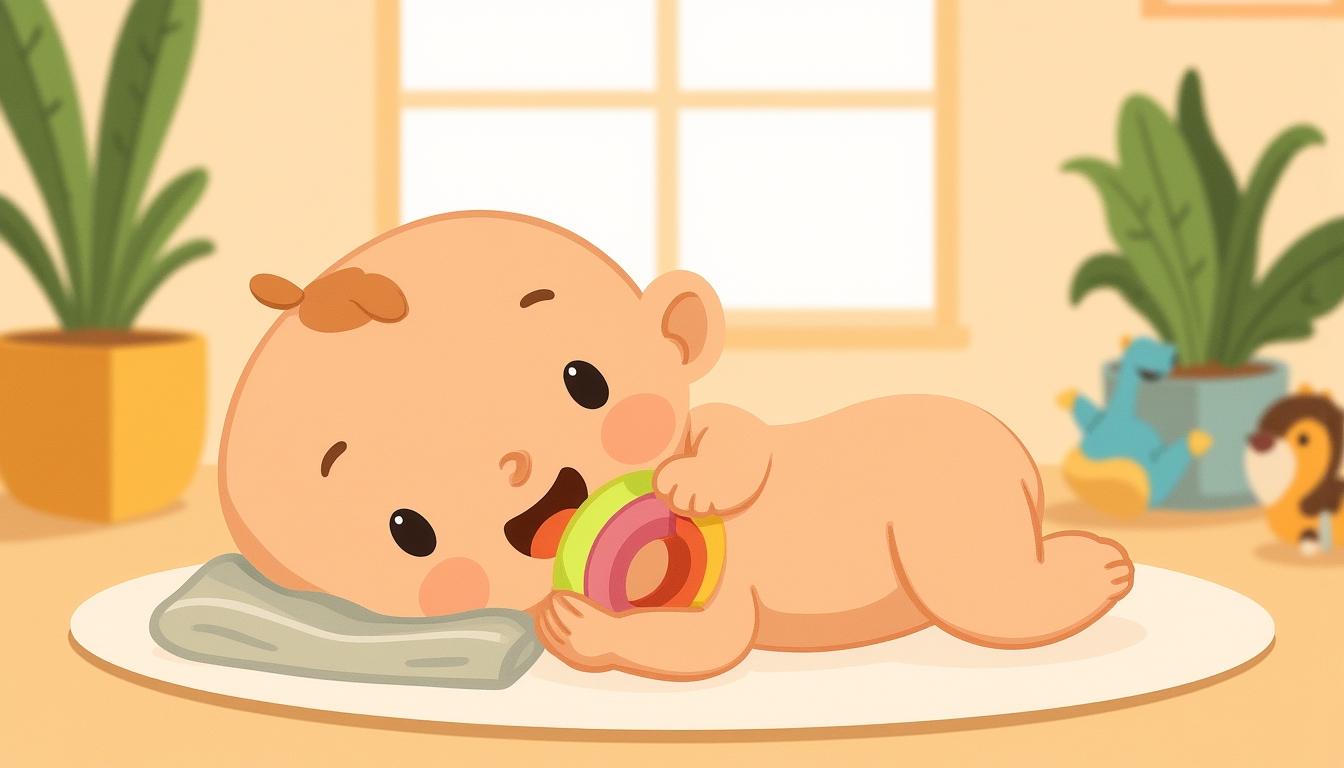
Teething can feel like a mystery: one day your baby is all smiles, the next day there’s drool, gnawing, and restless nights. Knowing the true teething signs—and what signals illness instead—helps you comfort your baby safely and confidently.
Key takeaway: True teething symptoms are usually mild and short-lived. High fever, diarrhea, vomiting, and persistent cough/congestion are not caused by teething and warrant a call to your pediatrician (AAP HealthyChildren).
1) What Is Teething? Timing and What to Expect (3–12 months)
Most babies cut their first tooth between 6 and 10 months, but gum changes and discomfort can begin earlier—sometimes around 3 months—as teeth move under the gums (AAP HealthyChildren). The acute pain linked to a tooth typically peaks right before it breaks through and eases within 24–72 hours per tooth. After that window, babies usually return to their baseline.
What to expect overall:
- First tooth: commonly between 6–10 months (range can be wider and still normal)
- Typical order: bottom central incisors first, then top central incisors
- Teething timeline: discomfort may come and go as multiple teeth prepare to erupt
- Duration: acute soreness near eruption often lasts 24–72 hours per tooth (AAP HealthyChildren; Mayo Clinic)
Key takeaway: If your baby’s “teething” discomfort persists beyond 72 hours without a new tooth appearing, look for another cause or check in with your pediatrician.
2) True Teething Signs You Can Trust
Evidence-supported teething signs include (AAP HealthyChildren; Mayo Clinic; NHS):
- Drooling (often more than usual)
- Swollen, tender, or slightly red gums
- Gum-rubbing or pulling at the mouth area
- Chewing/gnawing on hands, toys, or fabrics
- Mild fussiness or irritability that comes and goes
- Brief sleep disruption clustered around the day or two before eruption
Key takeaway: Mild, localized gum discomfort with drool and a stronger urge to chew is classic teething.
3) Not Teething: Symptoms That Point to Illness
Some symptoms are frequently blamed on teething but are more likely caused by illness. Call your pediatrician if you see (AAP HealthyChildren; Mayo Clinic; NHS):
- Fever ≥100.4°F (38°C)
- Diarrhea or persistent loose stools
- Widespread or worsening rash
- Persistent, inconsolable crying that doesn’t respond to comfort
- Vomiting
- Cough and/or congestion (often signs of a cold or other infection)
- Lethargy, poor feeding, or dehydration (fewer wet diapers, dry mouth, sunken soft spot)
Key takeaway: Teething does not cause high fever, diarrhea, or significant illness. Don’t delay care—call your pediatrician.
4) Teething and Night Wakings: What’s Normal?
Short-term sleep disruptions can happen as a tooth is about to erupt. You might notice:
- Extra wakes for 1–3 nights
- Fussing that settles with brief comfort
- Increased chewing or gum-rubbing overnight
Key takeaway: Expect brief blips in sleep around eruption. Longer disruptions often point to something beyond teething.
5) Safe, Evidence-Based Soothing Strategies
Aim for simple, safe methods first (AAP HealthyChildren; Mayo Clinic; NHS):
- Gentle gum massage: Wash hands and rub the sore spot with a clean finger or knuckle.
- Chilled (not frozen) teethers: Refrigerate soft rubber/plastic teethers. Avoid anything frozen solid.
- Cool, damp washcloth: Twist and chill in the fridge; let baby gnaw under supervision.
- Cold water in a sippy cup (6+ months): The cool temperature can soothe gums.
- Extra comfort: Snuggles, holding, and calm reassurance help regulate your baby’s nervous system.
- Consistent bedtime routine: A predictable wind-down (bath, massage, song, dim lights) supports sleep, even during teething.
Key takeaway: Pressure + cool temperature + consistency are your best tools.
6) Medication: When and How (With Pediatric Guidance)
Sometimes non-medicine strategies aren’t enough. If your pediatrician recommends medication:
- Acetaminophen: Can be used at any age when advised; dose by weight only as directed by your clinician.
- Ibuprofen (6+ months): May be helpful due to anti-inflammatory effects; dose by weight as directed.
- Safety essentials:
Key takeaway: Use medicine sparingly, by weight, and only with your pediatrician’s guidance.
7) What to Avoid (and Why)
The AAP and pediatric hospitals advise against (AAP HealthyChildren; CHLA):
- Benzocaine or lidocaine gels/ointments: Risk of methemoglobinemia and serious side effects; not recommended.
- Homeopathic teething tablets/gels: Safety and dosing concerns; some past products contained belladonna.
- Alcohol on gums: Dangerous for infants.
- Amber/wood/silicone necklaces or bracelets: Choking and strangulation hazards; not safe for sleep or awake time.
- Frozen-solid objects: Can injure gums.
Key takeaway: If it numbs, ties around the neck, or claims to “cure” teething, skip it.
8) Step-by-Step: Your Day and Night Teething Plan
Make teething manageable with a simple, repeatable routine.
Daytime
1. Spot the signs: Notice drool, gum swelling, and increased chewing. 2. Prep a soothing kit: Keep clean teethers in the fridge, a damp washcloth, and a safe sippy for 6+ months. 3. Offer pressure/cool relief: Cycle through massage, chilled teether, or washcloth. 4. Protect feeding: If nursing/chestfeeding or bottle-feeding is uncomfortable, try a different position or offer shorter, more frequent feeds. Call your pediatrician if intake drops or signs of dehydration appear. 5. Track symptoms and teeth: Use your phone notes to log fussiness, sleep changes, and eruption dates.
Evening and Overnight
1. Reinforce sleep cues: Keep your usual routine—bath, lotion, pajamas, dim lights, short book or song. 2. Low-stimulation responses: If baby wakes, keep lights low and voices soft. Offer a brief gum massage or chilled teether. 3. Targeted comfort: Hold, rock, or pat to settle. If your pediatrician has advised medication, give as directed. 4. Back to crib drowsy: Once calm, return baby to a firm, flat sleep surface. 5. Reset expectations: Most teething wake-ups pass within 1–3 nights; resume your normal approach as comfort improves.
Key takeaway: Prepare, soothe, and stay consistent—your routine is your superpower.
9) Safe Sleep Still Comes First
Even during teething, safe sleep practices don’t change (CDC; AAP):
- Back to sleep for every sleep.
- Firm, flat surface (crib, bassinet, or play yard) with a fitted sheet only.
- Room-share, not bed-share—ideally for at least the first 6 months.
- Keep the sleep space clear: No pillows, blankets, bumpers, toys, or necklaces.
- Avoid inclined sleepers and positioners.
Key takeaway: Never compromise safe sleep to manage teething discomfort.
10) When to Call the Pediatrician
Reach out for medical advice if you notice:
- Fever ≥100.4°F (38°C)
- Symptoms lasting >72 hours without tooth eruption
- Signs of dehydration: fewer wet diapers, no tears, dry mouth, sunken soft spot
- Breathing difficulties, persistent cough, or congestion
- Rash, diarrhea, vomiting, or ear pain (especially with fever)
- You’re unsure whether it’s teething or something else
Key takeaway: If your gut says something’s off—or symptoms are severe—call your pediatrician.
11) FAQs: Teething Myths, Debunked
- Does teething cause fever or diarrhea? No. Mild temperature fluctuations can occur, but a true fever (≥100.4°F/38°C) or diarrhea is not caused by teething and should be evaluated (AAP HealthyChildren; Mayo Clinic).
- Do babies sleep more when teething? Not consistently. Some babies may seem extra tired from short-term discomfort, but prolonged sleepiness or lethargy suggests illness—call your pediatrician.
- Is freezing teethers safe? No. Use chilled, not frozen-solid items to avoid gum injury (AAP; NHS).
- Can teething affect feeding? Yes. Sore gums can briefly reduce appetite or change latch/position. Persistent feeding refusal or signs of dehydration require a call to your clinician.
- Why is my baby pulling ears? Referred gum pain can cause ear-pulling, but ear infections are common in infancy. If there’s fever, worsening fussiness, or sleep disruption beyond 72 hours, contact your pediatrician.
12) Parent Self-Care and Support
Caring for a teething baby is demanding. Give yourself the same compassion you give your little one:
- Share shifts where possible so each caregiver gets a stretch of rest.
- Simplify evenings—prep a “teething kit” and streamline your routine.
- Lower the bar on non-essentials for a few days.
- Ask for help from trusted friends/family.
- Remember the timeline: Most acute teething flares resolve within a couple of nights.
Key takeaway: You’re doing a great job. This phase is temporary—and you don’t have to tough it out alone.
13) References and Trusted Resources
- American Academy of Pediatrics (HealthyChildren). Teething Pain Relief: How to Soothe Your Baby’s Discomfort. https://www.healthychildren.org/English/ages-stages/baby/teething-tooth-care/Pages/Teething-Pain.aspx
- Centers for Disease Control and Prevention. Providing Care for Babies to Sleep Safely. https://www.cdc.gov/sudden-infant-death/sleep-safely/index.html
- Centers for Disease Control and Prevention. Safe Sleep for Babies (Vital Signs). https://www.cdc.gov/vitalsigns/pdf/2018-01-vitalsigns.pdf
- Mayo Clinic. Teething: Tips for soothing sore gums. https://www.mayoclinic.org/healthy-lifestyle/infant-and-toddler-health/in-depth/teething/art-20046378
- NHS. Tips for helping your teething baby. https://www.nhs.uk/baby/babys-development/teething/tips-for-helping-your-teething-baby/
- Children’s Hospital Los Angeles. Tips for Teething Pain: What’s Safe—and What’s Not. https://www.chla.org/blog/advice-experts/tips-teething-pain-whats-safe-and-whats-not
- Brown Health. Teething and Medications. https://www.brownhealth.org/centers-services/pediatric-primary-care/teething-and-medications
Conclusion
Teething is a normal milestone with typically mild, short-lived discomfort. By recognizing true teething signs, using safe soothing strategies, protecting sleep, and knowing when to call your pediatrician, you can keep your baby more comfortable—and your family more rested. Save this guide for quick reference, share it with your childcare team, and reach out to your pediatrician anytime you’re unsure.
Next step: Build your “teething kit” today—add two chilled teethers, a clean damp washcloth, and your pediatrician’s dosing guidance for pain relievers if needed.