
2 Weeks Pregnant
Baby Development
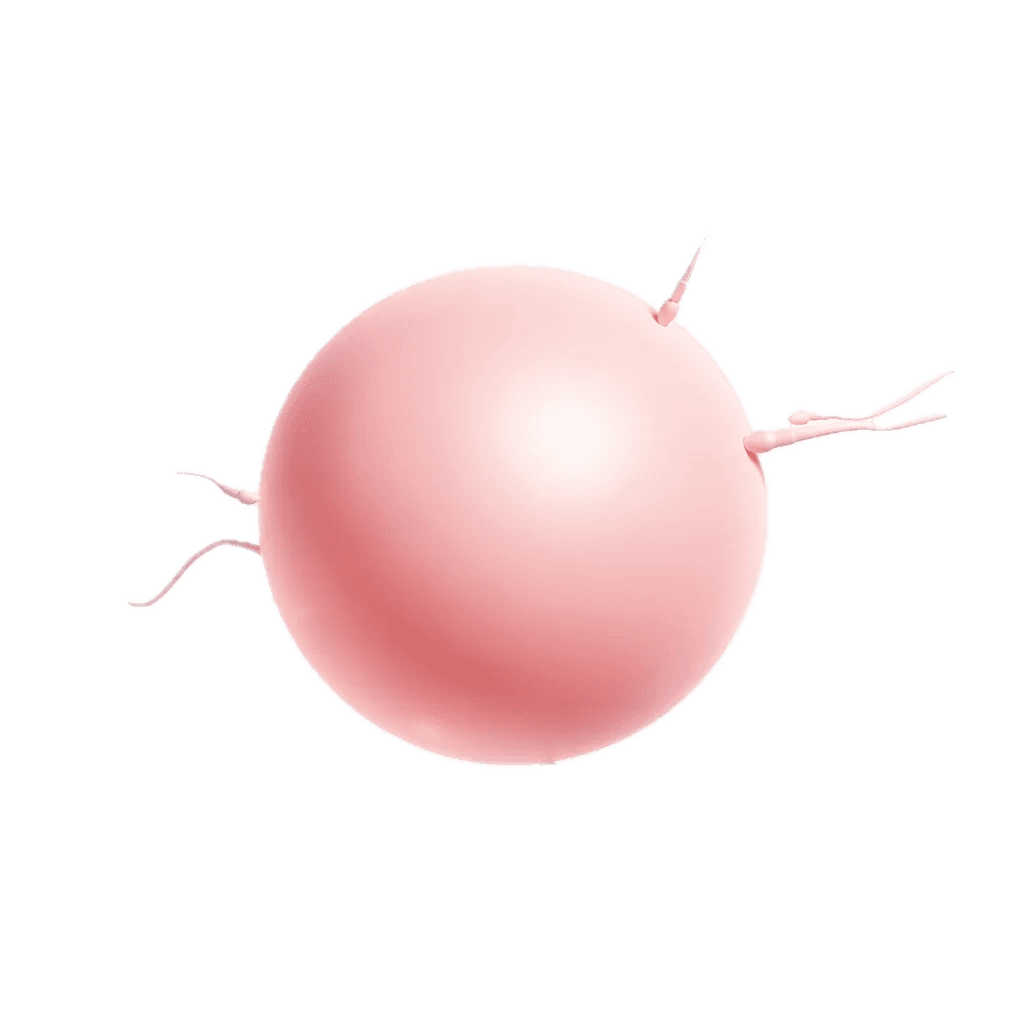
During the first two weeks, your baby is still a concept waiting to happen. Your body is in the follicular phase of the menstrual cycle, where follicles in the ovary mature. One of these follicles will release an egg around the end of week two in a process called ovulation. This egg contains half of the genetic material needed to create a new life. It travels into the fallopian tube, where it will wait for approximately 12-24 hours to be fertilized.
It's a time of immense potential, but biologically, there is no embryo or fetus yet. All the biological processes are geared towards creating the perfect environment for fertilization to occur. The health and timing of this ovulatory process are the foundational first steps in your baby's journey.
Your Body This Week
Your body is meticulously preparing for a potential pregnancy. The first day of your period marks the beginning of this cycle and is used as the starting point for calculating your 40-week pregnancy. During this time, the hormone FSH (Follicle-Stimulating Hormone) encourages the follicles in your ovaries to grow. As they grow, they produce estrogen, which causes the lining of your uterus (the endometrium) to thicken with blood and nutrients, creating a welcoming environment for a fertilized egg.
Towards the end of week two, a surge of LH (Luteinizing Hormone) triggers the release of the mature egg from the ovary. You are at your most fertile in the days leading up to and including ovulation. While you may not feel any different from a typical menstrual cycle, your body is performing a complex and perfectly timed hormonal dance to set the stage for conception.
Milestones This Week
Ovulation
Ovulation occurs when the egg is released from the ovary. This is the most fertile time in your cycle.
Conception
Conception happens when the sperm fertilizes the egg, starting a new life.
Learn More
At week 2 of pregnancy, you might not yet realize that you're on the incredible journey of motherhood, as this is usually the moment of conception. During these early stages, significant changes are happening at a cellular level, setting the foundation for a healthy pregnancy. Though there’s no noticeable growth or movement yet, your body is already working to create a nurturing environment for your baby. This involves crucial metabolic adjustments that make your body more efficient at using and storing energy, all in anticipation of the upcoming demands of pregnancy. While you may not need to increase your caloric intake in these first weeks, focusing on a well-rounded diet filled with nutrient-dense foods is beneficial. Prioritize fruits, vegetables, lean proteins, and whole grains to supply essential vitamins and minerals, and remember to stay hydrated, as this supports overall well-being and can alleviate early symptoms such as constipation. Physical activity remains important, so aim for regular, moderate exercise like walking or prenatal yoga to boost energy levels and mood. Stay attuned to your body's signals, and above all, trust in the natural process—each day brings you a step closer to the joys of parenthood.
Frequently Asked Questions
What to expect at 2 weeks pregnant?
At 2 weeks pregnant, your baby is growing quickly. During the first two weeks, your baby is still a concept waiting to happen. Your body is meticulously preparing for a potential pregnancy.
What trimester is week 2 of pregnancy?
Week 2 is in the first trimester of pregnancy. The first trimester covers weeks 1-13, the second trimester covers weeks 14-26, and the third trimester covers weeks 27-40.
What is happening with my baby at week 2?
During the first two weeks, your baby is still a concept waiting to happen.
What symptoms can I expect at week 2 of pregnancy?
Your body is meticulously preparing for a potential pregnancy.
14-day free trial
Week 2 is even better in the app
Daily content for week 2, the checklist, and your baby’s letter.