
3 Weeks Pregnant
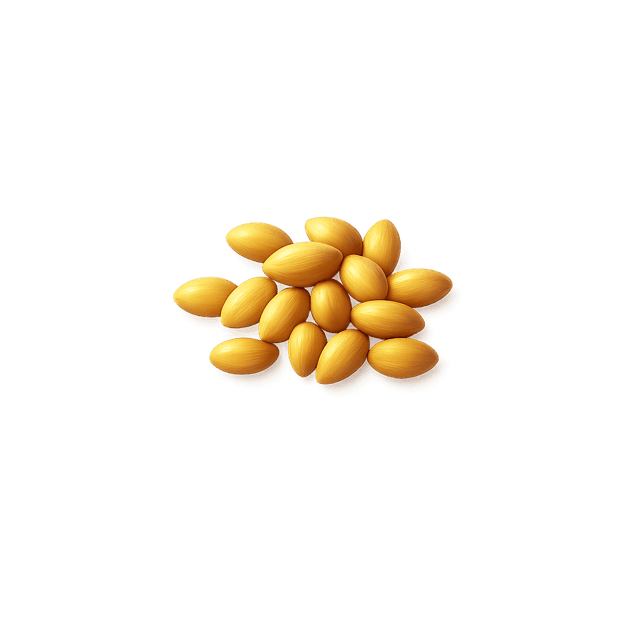
Your baby is the size of a strawberry seed
0.1 in
Baby Development
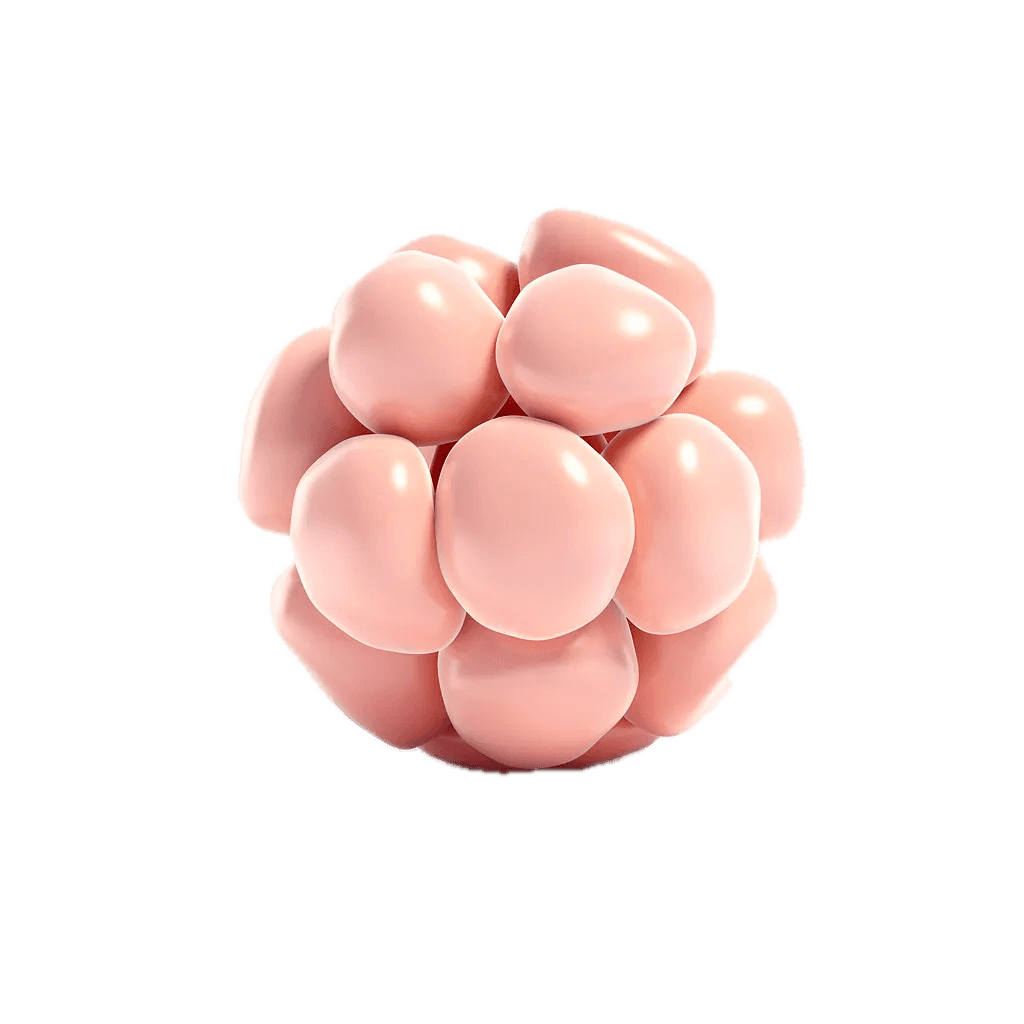
This is the week of conception. Out of millions of sperm, one has successfully penetrated and fertilized the egg in the fallopian tube. This union creates a single cell called a **zygote**, which contains a complete set of 46 chromosomes—23 from you and 23 from the father. This genetic blueprint determines your baby's sex, eye color, hair color, and countless other traits. The zygote immediately begins a process of rapid cell division, known as cleavage, while it continues its journey down the fallopian tube.
By the end of this week, this cluster of dividing cells is called a **morula**. It is still microscopic and is preparing for the next critical step: implantation. Every division brings it closer to forming the complex structures of a human being. Although it's just a small ball of cells, it contains all the information needed for a full-term baby.
Your Body This Week
On the outside, nothing has changed. You are completely unaware of the monumental biological event that has just occurred. Your body, however, is starting to respond. After ovulation, the follicle that released the egg transforms into the corpus luteum, a temporary endocrine structure that begins to produce progesterone. This hormone is crucial for making the uterine lining even more receptive to the incoming morula.
There are no pregnancy symptoms at this point, as the hormonal shifts are not yet significant enough to be felt. Your body is in a state of quiet preparation, ensuring that the uterus is the perfect, nutrient-rich environment for the embryo to implant and grow. This phase is a testament to the body's incredible ability to orchestrate complex processes without any conscious effort.
Milestones This Week
Implantation
The embryo implants in the uterine wall. Some women may notice light spotting at this stage.
Learn More
At week 3 of pregnancy, your body is already undergoing significant changes, even if you may not feel them yet. Hormones like estrogen and progesterone are rising, which can cause increased breast tenderness and sensitivity—one of the earliest physical signs of pregnancy. While your caloric needs don't officially increase in the first trimester, your body begins altering its metabolism to become more efficient at storing energy. This means focusing on quality, not quantity, in your diet. Incorporating a variety of nutrient-dense foods like fruits, vegetables, whole grains, lean proteins, and healthy fats will help supply essential vitamins and minerals. Eating small, frequent meals may also help combat early pregnancy nausea and maintain stable blood sugar levels. Staying hydrated is equally important, as it can soothe common discomforts like constipation. Ginger in foods or drinks can also alleviate nausea. All these dietary habits support your baby's development and your well-being. For physical activity, consider moderate exercises like walking or swimming to boost energy and improve mood, unless advised otherwise by your healthcare provider. Aim for 30 minutes most days, and listen to your body's cues—rest when needed. Continuing with a prenatal vitamin fortified with folic acid is crucial for neural development. These early adjustments lay the groundwork for a healthy pregnancy journey.
Frequently Asked Questions
What to expect at 3 weeks pregnant?
At 3 weeks pregnant, your baby is about the size of a strawberry seed. This is the week of conception. On the outside, nothing has changed.
How big is my baby at 3 weeks pregnant?
At week 3 of pregnancy, your baby is about the size of a strawberry seed, measuring approximately 0.1 in.
What trimester is week 3 of pregnancy?
Week 3 is in the first trimester of pregnancy. The first trimester covers weeks 1-13, the second trimester covers weeks 14-26, and the third trimester covers weeks 27-40.
What is happening with my baby at week 3?
This is the week of conception.
What symptoms can I expect at week 3 of pregnancy?
On the outside, nothing has changed.
14-day free trial
Week 3 is even better in the app
Daily content for week 3, the checklist, and your baby’s letter.